


You noticed the tick last week and pulled it off. Now your dog is dull, off his food, and running a fever, and you are trying to figure out how worried you should be.
Quick answer
Tick fever in dogs often shows up as a high temperature, but fever is not always present. Early signs can be just low energy, loss of appetite and changes in blood test values, sometimes with pale gums or nose bleeds. It needs vet-prescribed treatment, an antibiotic course for Ehrlichia or a different medicine for Babesia, plus supportive care at home.
See your vet IMMEDIATELY if you notice:
- Bleeding from the nose, gums, or in urine or stool
- Very pale or white gums (press a finger on the gum, colour should return in under 2 seconds)
- Collapse, staggering, or seizures
- Continuous vomiting or refusing water for more than 12 hours
- Difficulty breathing or swollen limbs
Tick fever can turn serious fast. Do not wait for the next day, drive to the clinic.
What tick fever actually is
Tick fever is not one disease. It is a group of blood infections passed to your dog through the bite of an infected tick, mainly the brown dog tick that is common across Indian cities and towns. The two most talked-about types in India are Ehrlichiosis and Babesiosis.
Ehrlichia infects the white blood cells. Babesia infects the red blood cells. Both cause fever, weakness, and low platelet counts, which is why bleeding can show up in serious cases.
In plain words: your dog feels wiped out because his body is fighting on multiple fronts at once, and his blood is not carrying oxygen the way it should. A 2019 Frontiers in Immunology study of compound probiotics in dogs found daily probiotics raised food intake in older dogs and shifted immune markers and gut bacteria. It was not a study of tick fever or of dogs on antibiotics, so it is background only, not proof that probiotics help tick fever recovery.
For a broader overview of Babesia and other blood parasites, written for dog owners, see the Merck Veterinary Manual on blood parasites of dogs.
Early signs Indian pet parents miss
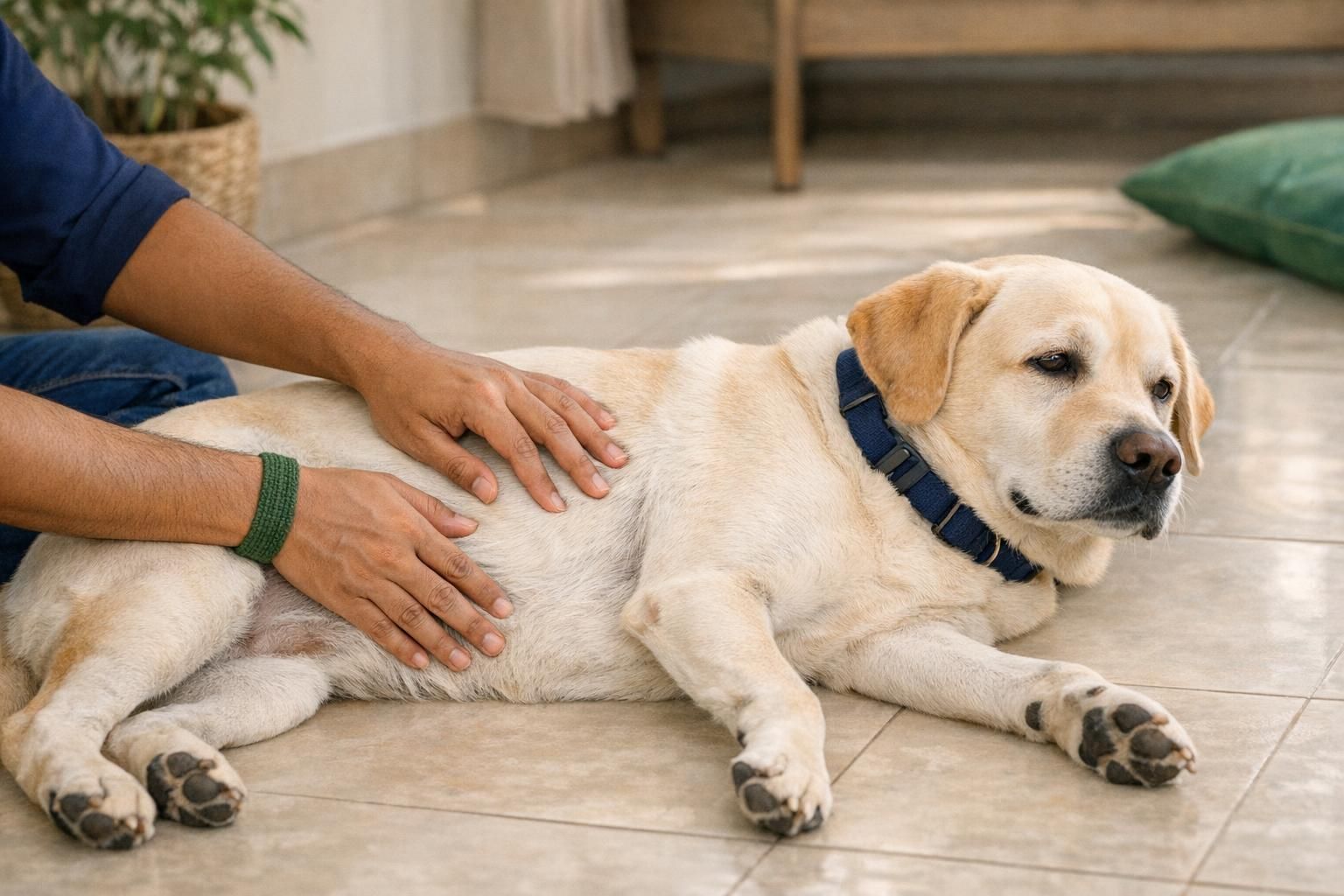

Many parents catch tick fever late. Not because they are careless. Because the early signs look like a bad day.
The signs to watch for
- Fever. A dog's normal temperature tops out at about 102.5 F. If your dog feels warm at the ears and belly and is panting at rest, take a rectal temperature reading.
- Sudden low energy. He skips his walk. He does not run to the door. He sleeps more.
- Loss of appetite. Even for treats. This one is a big flag.
- Pale gums. Healthy gums are bubblegum pink. Pale, white, or yellow gums are urgent.
- Nose bleeds or small red spots on the belly. These are platelet issues showing up on the skin.
- Dark or bloody urine. Often the sign of red blood cell destruction in Babesia.
- Swollen lymph nodes. Small hard lumps under the jaw or behind the knees.
- Weight loss over a few weeks. Chronic tick fever is a slow drain, not a sudden crash.
Some dogs show only one or two of these. That is what makes it easy to miss. If you have pulled a tick off your dog in the last 2 to 3 weeks and he is off, get a blood test done. Do not wait.
How vets diagnose and treat it
Diagnosis is a blood test. Your vet will usually run a CBC (complete blood count) to check for low platelets and low red cells. A SNAP test can pick up Ehrlichia or Anaplasma, a peripheral blood smear lets the vet spot Babesia directly under a microscope, and some vets also send a tick-fever panel to a lab.
Treatment depends on which infection. Ehrlichia is usually treated with a specific vet-prescribed antibiotic course. Babesia needs a different anti-parasitic medication. Your vet decides the drug, the dose, and the duration. Do not ask a WhatsApp group. Do not stop early because the dog looks better.
Severe cases sometimes need a blood transfusion, IV fluids, or hospitalisation. That is why early diagnosis matters so much, the milder the case at diagnosis, the simpler the treatment.
A 2004 American Journal of Veterinary Research study of a probiotic strain in healthy adult dogs was small and short, 15 healthy dogs over 4 weeks. Daily probiotic feeding changed gut bacteria and some blood and immune markers, but the study did not include sick dogs, so it does not show that a probiotic speeds up tick fever recovery. Whatever the treatment, your dog's body still needs weeks to rebuild blood cells, appetite, and stamina.
Chronic or repeat cases need longer-term management. Some dogs carry low-grade infection for months and need periodic re-checks even after they seem fine. Ask your vet when to repeat the blood tests after treatment.
Helping your dog recover at home

The medicine does the heavy lifting. Your job at home is to make the rest of the recovery easier. Here is what actually helps.
Rest, quiet, and consistent routine
No long walks. No dog park. No stairs marathon. His muscles are tired, his blood counts are low, and pushing him will slow recovery. Two short, gentle walks a day are enough until your vet says he is ready for more.
Food he will actually eat
Appetite comes back slowly. Warm his food slightly. Offer small portions 3 to 4 times a day instead of two big meals. For the first few days, plain boiled boneless chicken with plain white rice is easy on the stomach. Nothing spicy, no oil, no dahi, no leftovers from the family plate.
Once his appetite steadies, move back to his regular balanced diet. Do not add turmeric, haldi paste, coconut oil, or apple cider vinegar. These are not proven to help and can upset an already weak gut.
Hydration monitoring
This is the one thing many parents underestimate. A recovering dog may drink less on his own, so you have to watch water intake actively. Keep fresh water in two bowls in different rooms. If your dog is not drinking well, ask your vet about adding a little warm, plain chicken broth with no onion, garlic or salt to encourage fluids.
Dental hygiene
Sounds strange in a fever article, but bear with us. A mouth full of tartar means more bacteria for a weakened system to deal with. But tick fever can leave platelets low, and gums can bleed easily then, so wait until your vet is happy with his blood counts. After that, gentle brushing 2 to 3 times a week keeps one more stressor off your dog's plate.
Where daily gut support fits in
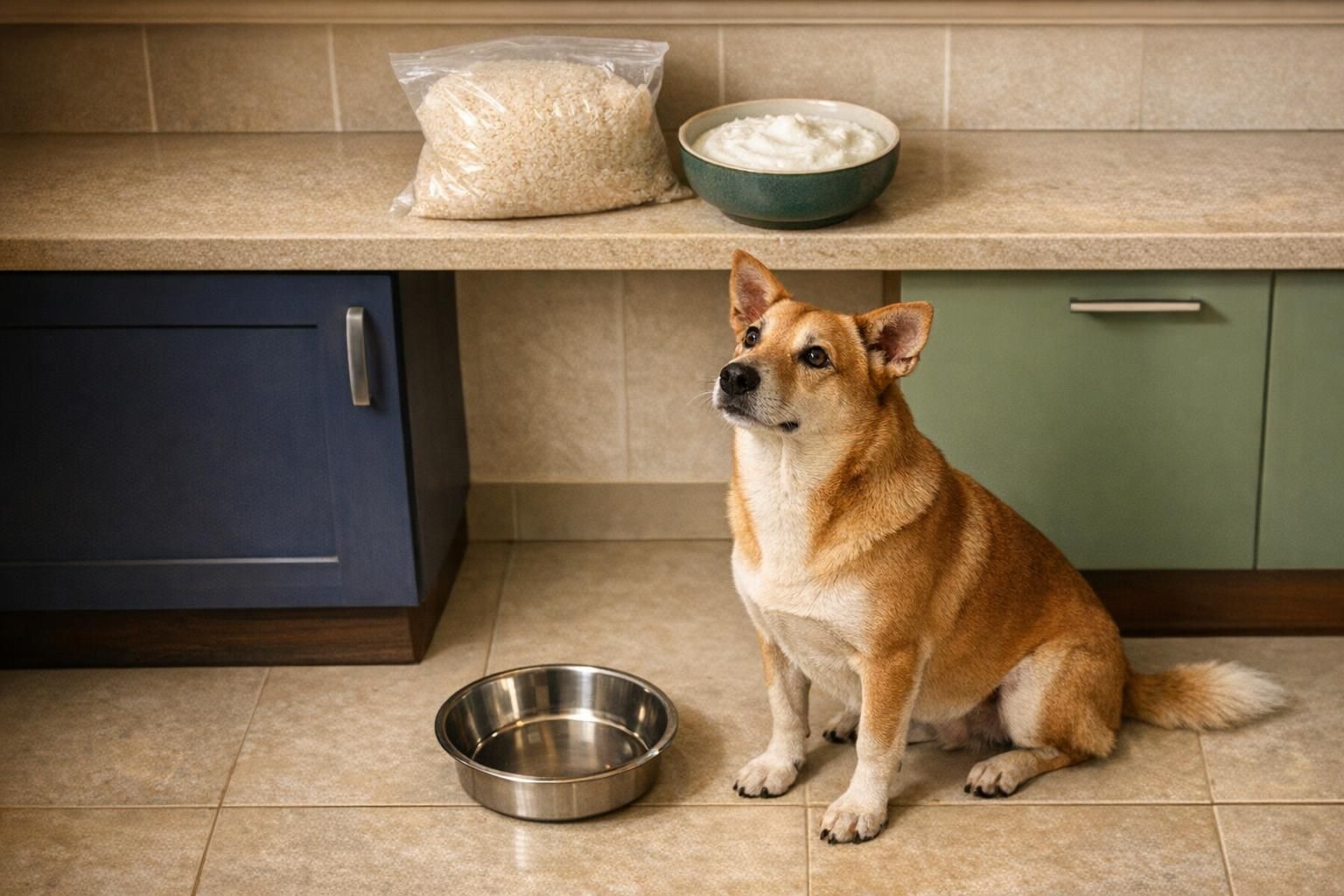
Antibiotics save lives. They can also upset the good gut bacteria along with the bad, which is one reason some dogs have loose stools or a patchy appetite during or after treatment.
A 2019 Journal of Veterinary Internal Medicine systematic review of probiotics for gastrointestinal disease in dogs found only a very limited, possibly unimportant effect on sudden tummy upsets, and no added improvement for long-running gut disease, where diet was the main treatment. So a daily probiotic is not part of the tick fever treatment, and you should not count on it to settle your dog's gut after the antibiotic course. At most, think of it as gentle daily support, and ask your vet first.
K9 Vitality Pre+Probiotics is a daily powder with 12 live strains plus prebiotic fibre (the food that keeps the good bacteria alive). Start it once the acute fever is under control and your dog is eating again, not during active vomiting. Ask your vet before combining anything with prescription medication.
"I have a 5 year old lab and he was going through multiple gut health related issues. Was fuzzy about eating his food and also low on energy. We tried K9 Vitality probiotics after one of our vet recommended it. within 1 month we started noticing signs of improvement and now after 3 months my buddy now has no problems at all."
- Varsha, Labrador parent, verified customer via Judge.me
Honest note. Probiotics are not a cure and they are not fast. Give it weeks of daily use before you judge it, not days. Time lagta hai. It is a long game, not an overnight thing. For chronic or recurring gut issues, work with your vet on a long-term plan.
If your dog is also stiff or slow after weeks of rest, get your vet to check him first. Once he is cleared and back to full activity, our Hip and Joint can be added. One thing at a time.
Dosage by weight
| Dog's Weight | Daily Amount |
|---|---|
| Below 11 kg | Less than half a scoop |
| 11-26 kg | 1 scoop |
| 27-45 kg | 2 scoops |
| 46 kg and above | 3 scoops |
Mix into food daily. Start with half the recommended amount for the first week, then move to the full dose. Suitable for dogs 4 months and older. 90-day money back guarantee.
When to see your vet
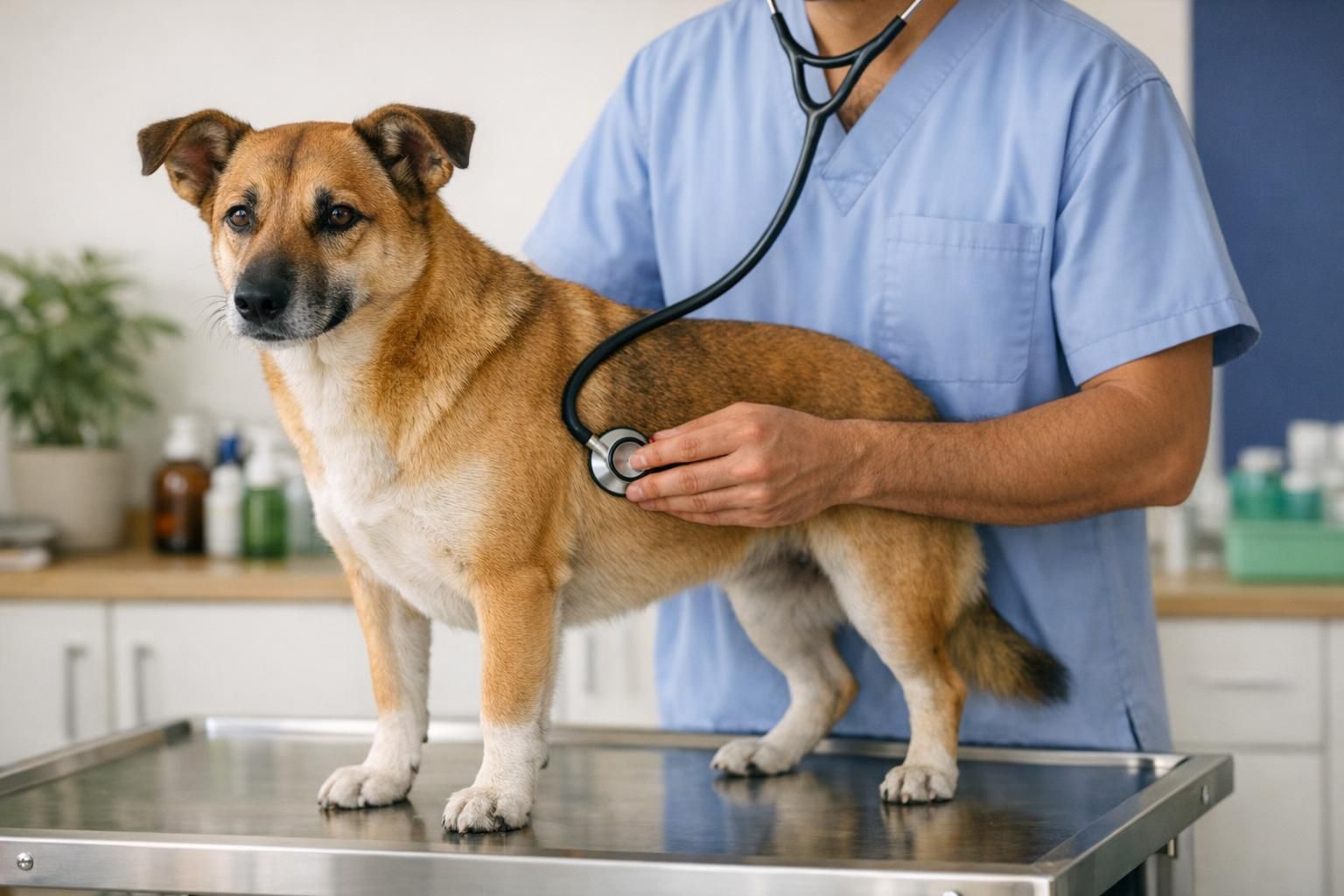
Tick fever is not a wait-and-watch condition. Call or visit your vet if any of these show up:
- Any fever, especially after a known tick exposure
- Pale, white, or yellow gums
- Any bleeding, nose, gums, urine, stool, or small red spots on the belly
- Refusing food for more than 24 hours
- Continuous vomiting, staggering, or collapse
- Symptoms returning weeks after treatment ended
- Any old or senior dog with sudden weakness during tick season
Bring a note of when you last saw a tick, when the symptoms started, and any medicines your dog is already on. It saves time and helps your vet act faster.
Prevention that actually works in India
Prevention is not glamorous but it is the whole game. In tick-heavy Indian cities, one skipped preventive month can leave your dog unprotected.
- Year-round tick preventive from your vet. Spot-on, oral, or collar, whichever suits your dog. Do not skip winter months, the brown dog tick survives indoors.
- Daily tick checks, all year round. Run your fingers through the ears, neck, between the toes, and under the tail.
- Treat the environment. Ticks live in cracks, bedding, walls, and grass, not just on the dog. Wash bedding weekly in hot water. Get pest control done if you have a garden or terrace.
- Remove ticks correctly. Fine-tipped tweezers, close to the skin, steady pull. No matchsticks, no kerosene, no nail polish.
There is no proven vaccine for tick fever available in most of India, so the prevention job sits with you and your vet, not with a syringe.
Key takeaways
- Tick fever needs vet-prescribed treatment, an antibiotic course for Ehrlichia or a different medicine for Babesia. Do not stop early.
- Early signs: fever, dullness, poor appetite, pale gums, and any bleeding. Get blood tests fast.
- Recovery takes time. Rest, small meals, and steady hydration support the medicine but do not replace it.
- After antibiotics, a daily multi-strain probiotic is optional gentle support, not treatment. Research shows only a very small effect on tummy upsets.
- Year-round vet-recommended tick preventives are the strongest tool you have.
Sources: Frontiers in Immunology, 2019, compound probiotics and canine gut health, PMID 31001271. Journal of Veterinary Internal Medicine, 2019, systematic review of probiotics for gastrointestinal disease in dogs, PMID 31313372. American Journal of Veterinary Research, 2004, probiotic Lactobacillus acidophilus in healthy adult dogs, PMID 15027683. Merck Veterinary Manual, Blood Parasites of Dogs. All customer reviews are verified via Judge.me.
If your dog has just come off tick fever treatment and his stools are still off, check with your vet first. If you then add a daily gut supplement, give it 8 to 12 weeks before you judge it. Not one week. Every K9 Vitality pack comes with our 90-day money-back guarantee. We ship free on prepaid orders across India, and Cash on Delivery is available. Start with the gut. Everything else follows.
Written by Aman Patial, Founder, K9 Vitality.
K9 Vitality, India's premium dog supplement brand trusted by 45,000+ Indian pet parents.
Dr. Jasleen Kaur, MVSc (Surgery & Radiology)
Dr. Jasleen Kaur is a veterinary surgeon and the founder of Allpets Clinic and Beyond, with over 10 years of experience in small animal and exotic pet care. She holds a Master’s in Surgery and Radiology, a diploma in Animal Welfare Law from NALSAR University, and an Executive MBA from ISB. Her work focuses on preventive healthcare, diagnostics, surgery, and overall pet wellness.
LinkedIn

