


The first time you bring your puppy home in India, everything feels both magical and slightly terrifying. The tiny paws on the floor, the first whimper at midnight, the question you Google at 2am about whether that pile near the sofa is normal.
Quick answer
In the first 12 months, an Indian puppy needs 2 to 4 meals a day of puppy-specific food depending on age, a core vaccine series starting at 6 to 8 weeks, and deworming every 2 weeks at first, then monthly. Gut support can start from 4 months. Socialise early, walk after final boosters around 16 weeks, and never give milk or curd.
See your vet IMMEDIATELY if your puppy shows:
- Bloody or black diarrhoea, or vomiting more than twice in a few hours
- Refusing food and water for more than 12 hours
- Sudden lethargy, collapse, seizures, or difficulty breathing
- Pale gums, a swollen belly, or visible worms in stool
Puppies dehydrate fast. Do not wait it out overnight.
The first 8 weeks at home
The day your puppy arrives, the goal is not training. It is safety, warmth, and a quiet routine. Puppies are best sent home between 8 and 10 weeks. Anything earlier and you are doing the mother's job, badly.
Set up one room as the puppy's base. A soft bed, a water bowl, newspapers or a pee pad in one corner, and zero loose wires. That first week is mostly about helping a confused little creature trust the new humans around them.
Sleep will be broken. That is normal. Puppies sleep 18 to 20 hours a day but in short bursts, and they will cry when they wake up alone. A ticking clock or a soft towel that smells like the litter often helps.

Feeding your puppy in India
Puppies need food made for puppies. Adult kibble has the wrong calcium-to-phosphorus ratio for growing bones, especially in larger breeds like Labradors and Golden Retrievers. Pick a puppy formula matched to your dog's expected adult size.
Meal frequency by age
- 8 to 12 weeks: 4 small meals a day
- 3 to 6 months: 3 meals a day
- 6 to 12 months: 2 to 3 meals a day
Skip the cow milk. Many puppies are lactose-intolerant and dairy is a common trigger for loose stools. The old Indian habit of giving dahi or a katori of milk feels caring, but it can upset a puppy's stomach.
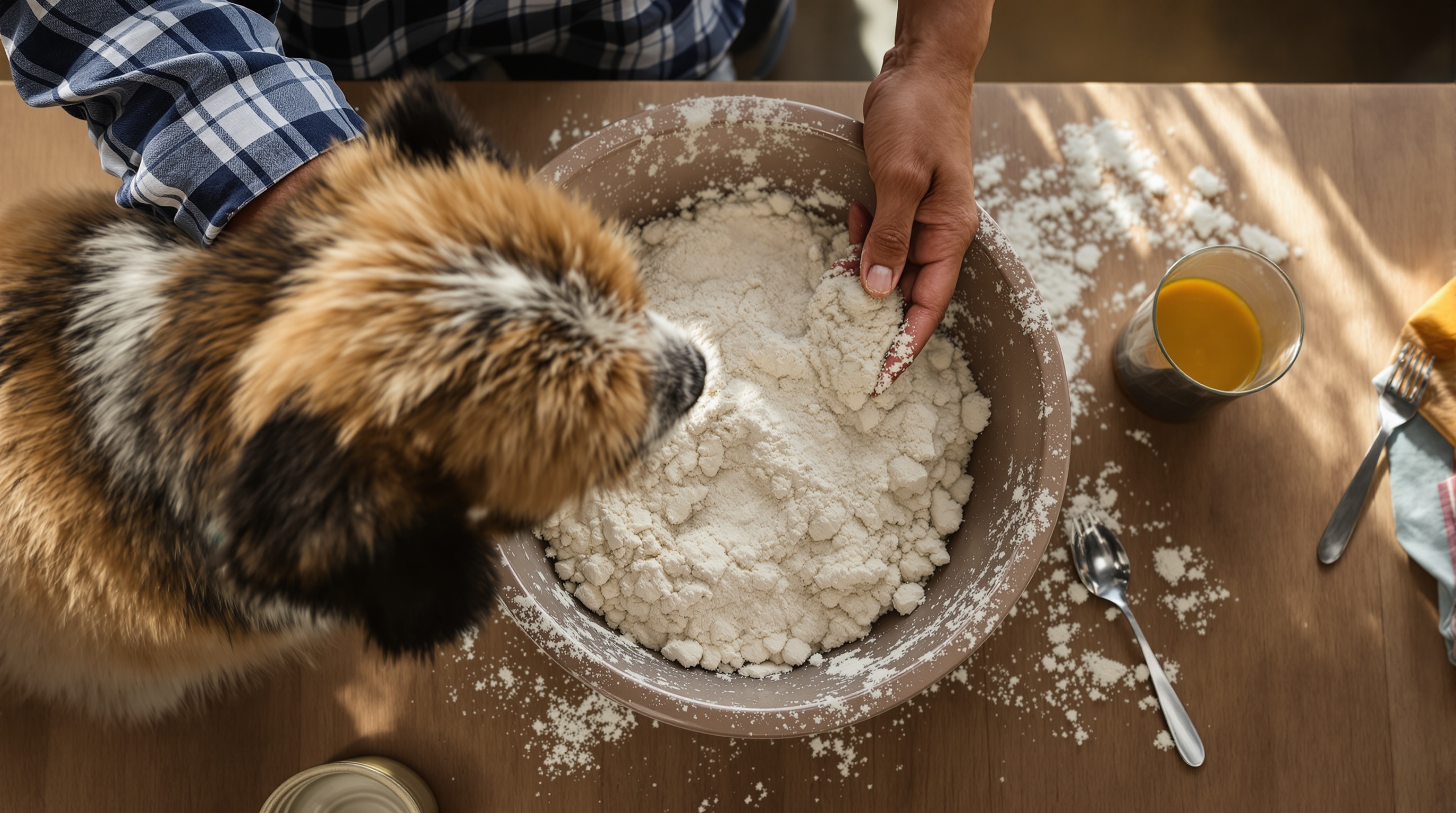
Foods to keep firmly off the floor: chocolate, raisins, grapes, onion, garlic, raw atta dough, leftover masala sabzi, chicken bones, and anything with xylitol. Xylitol is an artificial sweetener found in sugar-free gum, some candies, and some peanut butter brands, and even a tiny amount is toxic to dogs. Plain boneless boiled chicken and white rice in small amounts is fine as a topper, not a full meal.
A note on raw kitchen remedies
Raw kitchen turmeric, ghee mixed into kibble, and home-pressed coconut oil are not puppy medicine. High-dose haldi paste can upset a young pup's stomach or interact with medication. Talk to your vet before adding any kitchen ingredient as a daily remedy.
Vaccinations, deworming and vet visits

The first year is the heaviest for vet visits, and that is by design. Core vaccines protect against parvo, distemper and hepatitis. Rabies is non-negotiable in India because of the stray population.
A typical Indian schedule looks like this, though your vet may adjust:
- 6 to 8 weeks: first DHPPi (or 7-in-1)
- 10 to 12 weeks: second booster
- 14 to 16 weeks: rabies, with the last puppy booster at 16 weeks or older
- Boosters after that on the schedule your vet sets
Deworming runs on its own track. Every 2 weeks from about 2 weeks of age until 12 weeks, then monthly until 6 months, then on the schedule your vet sets. Worms are common in puppies, and a heavy load shows up as a pot belly, dull coat, and sometimes visible worms in stool.
Gut health and why it matters early
Puppies have very new immune systems. Stress from a new home, dewormer rounds, antibiotics after a fever, food changes, monsoon damp, all of it can upset the gut.
A 2019 Frontiers in Immunology study of a three-strain probiotic in dogs of different ages found that dogs given the probiotic gained more weight, older dogs ate more, and some immune markers rose, with the strongest response in elderly dogs. It measured markers, food intake and weight, not tummy upsets.
A 2019 Journal of Veterinary Internal Medicine systematic review of probiotics for gut disease in dogs found only a very limited and possibly clinically unimportant effect for sudden tummy upsets, and no clear added benefit over diet for long-running gut disease. Most of the studies were small. So think of a probiotic as gentle daily support at most, not a treatment.
For broader nutrition planning, the WSAVA Global Nutrition Guidelines are the gold standard small-animal vet reference and a good thing to share with your vet during the first puppy visit.
Training, socialisation and monsoon realities
House training is the first big project. Take your puppy to the same spot every 2 hours, after meals, after naps, and after play. The moment they finish, calm praise and a tiny treat. Scolding after an accident teaches nothing, they have already forgotten.
Socialisation is the silent superpower of the first 16 weeks. Let your pup meet new people, hear pressure cookers, autorickshaws, doorbells, kids, and other vaccinated dogs in safe spaces. A puppy who experiences variety calmly now becomes a steadier adult later.
The monsoon adds its own homework. Paws need drying after every walk, bedding needs to stay off damp floors, and stagnant water on the road is a hard no. Loose stools are common during seasonal change, and ticks, fleas and fungal patches show up faster in humid months.
What a daily probiotic actually does
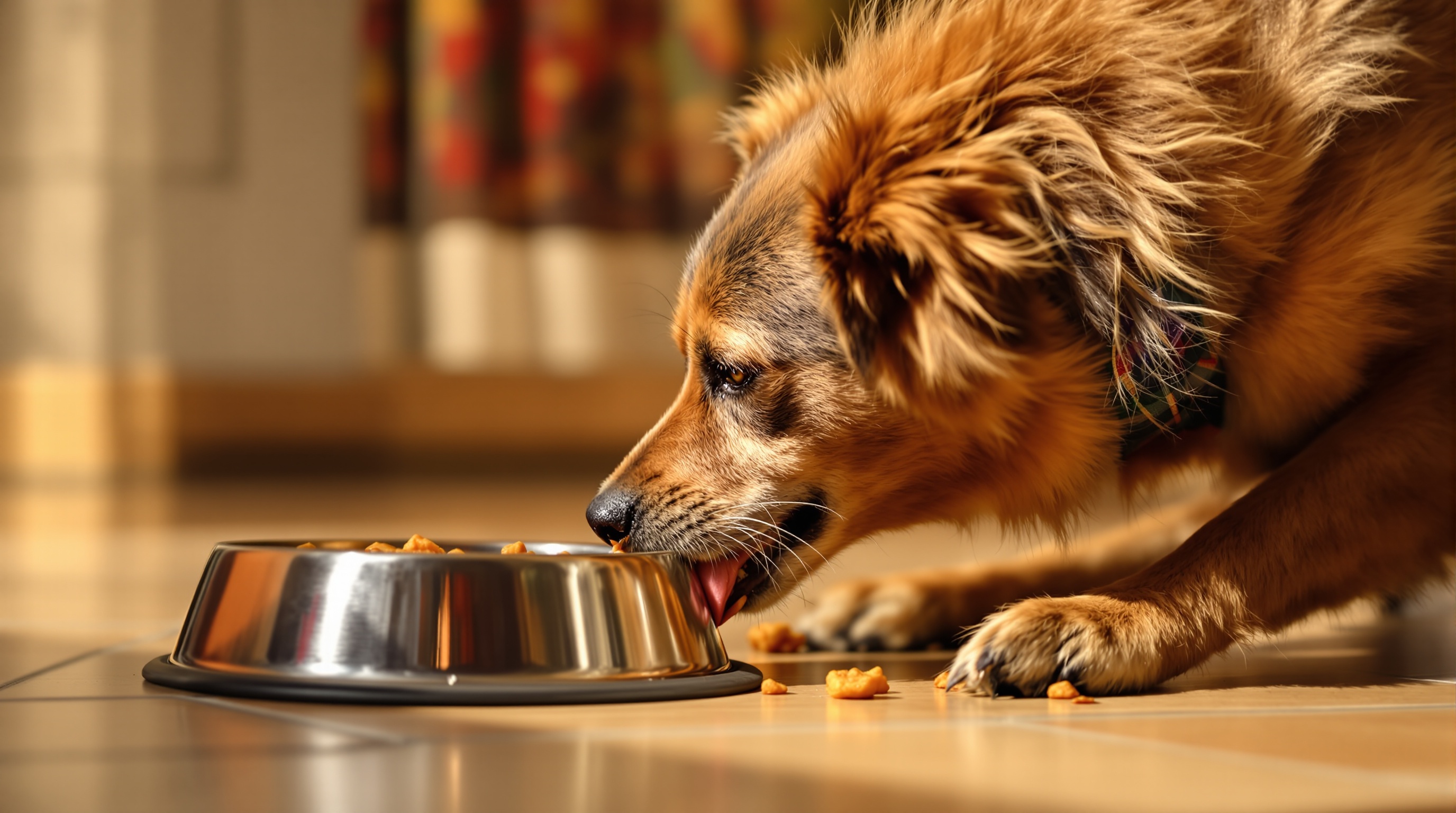
Once your puppy crosses 4 months, a measured daily probiotic powder can support digestion through food transitions and monsoon weeks. It is not a fix for active diarrhoea. It is a daily habit that supports gut balance.
K9 Vitality Pre+Probiotics is a powder with 12 live strains plus prebiotic fibre, mixed into food once a day based on your dog's weight. The honest timeline is around 4 weeks for the first signs of steadier stool and appetite, and best results between 3 and 6 months of steady use. Not 7 days. Not 2 weeks.
"Rana, nearly 5 year golden retriever has been using the K9, Prebiotic supplement for a year now. There has been an improvement in his gut health and immunity! He is more active and does not fall sick often nowadays. Highly recommended for daily usage"
— Preetha, Golden Retriever parent, verified customer via Judge.me
For everyday skin, coat and joint readiness as your puppy grows, you can also explore the wider K9 Vitality range. Many pet parents start with gut support.
Dosage by weight
| Dog's Weight | Daily Amount |
|---|---|
| Below 11 kg | Less than half a scoop |
| 11-26 kg | 1 scoop |
| 27-45 kg | 2 scoops |
| 46 kg and above | 3 scoops |
Mix into food daily. Start with half the recommended amount for the first week, then move to the full dose. Suitable for dogs 4 months and older. Do not start during active vomiting or diarrhoea, wait 24 to 48 hours symptom-free first. Backed by our 90-day money-back guarantee. Free shipping on prepaid orders. COD available for ₹100.
When to see your vet
A first-year puppy is delicate. When in doubt, call the vet. Same-day visit if you notice any of these:
- Diarrhoea or vomiting lasting more than 24 hours, or with blood
- Refusing food and water, or sudden weight loss
- Coughing, sneezing or nasal discharge that gets worse over 48 hours
- Limping, dragging a leg, or pain when picked up
- Seizures, collapse, pale gums or a hard swollen belly
- Visible worms in stool or vomit, or a clearly bloated abdomen after deworming
For non-emergency questions, the Merck Veterinary Manual pet owner section is a reliable reading reference between vet visits.
Key takeaways
- Bring puppy home at 8 weeks or later. Set up one calm base room first.
- Use puppy-specific food. Skip milk, curd, chocolate, onion and bones.
- Core vaccines run 6 to 16 weeks. Deworm on schedule, especially in India.
- Gut support from 4 months can support digestion through food changes and monsoon weeks.
- Socialise widely before 16 weeks. Walk outside only after final boosters.
Sources: Frontiers in Immunology 2019, PMID 31001271. Journal of Veterinary Internal Medicine 2019 systematic review, PMID 31313372. WSAVA Global Nutrition Guidelines, wsava.org. Merck Veterinary Manual pet owner section, merckvetmanual.com. All customer reviews are verified via Judge.me.
If you have a new puppy at home, keep it simple in year one. Good food, the right vaccines, steady gut support, and patient socialisation. Pre+Probiotics is a quiet daily helper once your pup crosses 4 months, and if you do not see the changes you expected, our 90-day money-back guarantee has you covered. Start with the gut.
Written by Aman Patial, Founder, K9 Vitality.
K9 Vitality, India's premium dog supplement brand trusted by 45,000+ Indian pet parents.
Dr. Jasleen Kaur, MVSc (Surgery & Radiology)
Dr. Jasleen Kaur is a veterinary surgeon and the founder of Allpets Clinic and Beyond, with over 10 years of experience in small animal and exotic pet care. She holds a Master’s in Surgery and Radiology, a diploma in Animal Welfare Law from NALSAR University, and an Executive MBA from ISB. Her work focuses on preventive healthcare, diagnostics, surgery, and overall pet wellness.
LinkedIn

