Understanding Your Dog's Immune System
Your dog's immune system is their first line of defence against infections, allergies, and seasonal illnesses. It is a network of cells, tissues, and organs working together to keep your dog healthy from the inside out.
A strong immune system helps your dog:
- Fight off infections faster
- Recover from illness more quickly
- Reduce the risk of chronic health issues
- Maintain healthy energy levels
- Keep their skin and coat in good shape
In India, factors like changing weather, pollution, and unbalanced diets can weaken your dog's natural defences over time. The good news? Nutrition plays a huge role in building and maintaining immunity. Let's look at the best foods and habits that support your dog's immune health.
Factors That Can Weaken Your Dog's Immunity
Before we talk about what helps, it is important to understand what works against your dog's immune system:
- Poor nutrition: A diet lacking essential vitamins and minerals leaves gaps in immune defence
- Lack of exercise: Regular movement keeps the body's systems active and responsive
- Chronic stress or anxiety: Stressed dogs have weaker immune responses over time
- Age-related decline: Senior dogs naturally need more immune support
- Exposure to toxins: Household chemicals, pesticides, and pollutants take a toll
Essential Foods to Support Your Dog's Immunity
Protein-Rich Foods: Chicken and Eggs
Proteins are the building blocks of a healthy immune system. Chicken provides lean protein and essential amino acids that help with cell repair and immune function. Eggs are another great option, packed with protein, vitamins, and antioxidants that support muscle health and overall wellness.
Vegetables: Carrots, Spinach, and Sweet Potatoes
These vegetables provide vitamins and antioxidants that help protect cells from damage. Carrots support eye health, spinach offers iron and fibre, and sweet potatoes deliver sustained energy through complex carbohydrates. All three can be a healthy part of your dog's diet.
Fruits That Support Immunity
Papaya and Bananas
Papaya contains digestive enzymes and is packed with vitamin C. Bananas provide fibre and quick energy.
Blueberries
Blueberries contain antioxidants like vitamin C and flavonoids. While not commonly found in Indian markets, they make for a great occasional treat when available.
Probiotics and Omega Fatty Acids
Gut Health and Probiotics
Your dog's gut and immune system are closely connected. Prebiotic fibres nourish the good bacteria already present, while probiotics introduce beneficial microbes that aid digestion and may support immune health.
Omega-3 Rich Foods: Fish and Flaxseed Oil
Omega-3 fatty acids found in fish (like salmon) and flaxseed oil can support skin health, which can help some dogs with allergies or skin issues. Adding fish oil or flaxseed oil to meals also supports a healthy, shiny coat.
Foods to Avoid for a Healthy Immune System
Toxic Foods for Dogs
Certain human foods can seriously harm your dog. Avoid feeding chocolate, onions, garlic, grapes, and raisins. These are toxic and can cause severe illness.
Processed and Sugary Foods
Highly processed foods, snacks with artificial additives, and sugary treats are best kept to a minimum. They can contribute to obesity and chronic conditions.
Excess Salt and Spices
Indian home-cooked meals often contain high salt and spicy ingredients, which are harmful to dogs. Too much salt can make your dog unwell, while spicy foods can lead to stomach discomfort.
Cooked Bones
Cooked bones should be avoided as they can splinter and cause digestive injuries. Always choose safe, dog-friendly chews instead.
Common Mistakes Dog Parents Make
Even well-meaning pet parents sometimes do things that work against their dog's immunity. Here are the most common ones:
- Over-supplementing without guidance: More is not always better. Always follow recommended dosages and consult your vet
- Choosing low-quality products: Supplements with vague labels make it hard to know what your dog is getting
- Ignoring diet and exercise: Supplements work best alongside a balanced diet and regular activity, not as a replacement
- Using human supplements for dogs: Dogs need canine-specific formulations with appropriate dosages
- Skipping regular vet visits: Early detection of imbalances can prevent bigger health issues down the line
FAQ
Q1: Why is my dog's immune system important?
A: A strong immune system helps your dog fight infections, recover from illness faster, and maintain overall wellness throughout their life. It is the foundation of long-term health.
Q2: What foods naturally support a dog's immunity?
A: Foods like sweet potatoes, blueberries, carrots, spinach, eggs, and lean meats provide antioxidants, vitamins, and minerals as part of a balanced diet.
Q3: Can I feed my dog raw foods to strengthen immunity?
A: Raw diets carry risks. Always consult your vet before introducing raw food to make sure it is balanced and safe for your dog.
Q4: Are there supplements that support immune health?
A: Yes. Supplements containing probiotics may support immune function, and omega-3 fatty acids can support skin health, when given consistently as part of a daily routine.
Q5: How do I know if my dog has a weak immune system?
A: Signs include frequent infections, slow wound healing, low energy, and poor coat condition. If you notice these, visit your vet for a proper check-up.
Conclusion
Building a strong immune system for your dog starts with the right nutrition and daily habits. Protein-rich foods, fresh fruits and vegetables, probiotics, and omega-3 fatty acids all play a role in keeping your dog healthy and resilient. Avoiding harmful foods and staying consistent with a balanced routine makes a real difference over time.
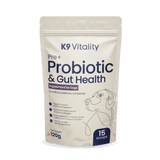
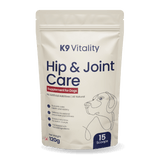
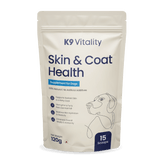
If your dog needs extra immune support, a daily supplement can help fill nutritional gaps. K9 Vitality supplements are designed as easy-to-use powders that you simply mix into your dog's food. Start with a half dose for the first 7 to 10 days, then move to the full amount based on your dog's weight. In our survey of over 2,500 existing repeat customers, 7 out of 10 noticed improvement within 30 days, and the best results come with 3 to 6 months of consistent use.
Introduce changes gradually, watch how your dog responds, and work with your vet for personalised advice. A well-supported immune system means a happier, more active dog for years to come.